

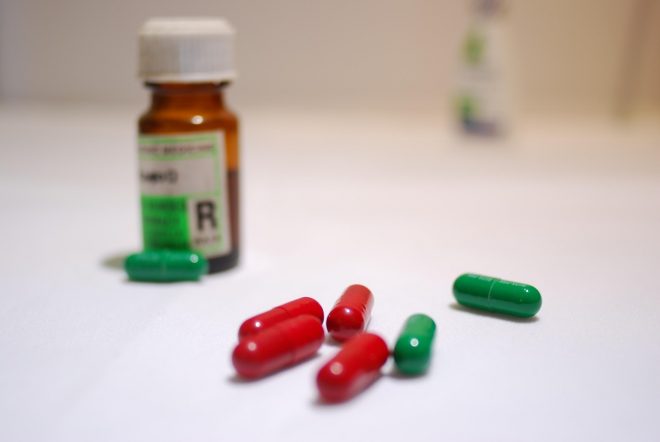
We have recently obtained a full admission of liability from the Defendant Trust in a clinical negligence claim arising from an overdose of cefepime, an antibiotic. The client was admitted to hospital with a suspected urinary tract infection and / or suspected respiratory infection which was not responding to multiple different antibiotics. It was decided to start her on cefepime, a stronger antibiotic which was prescribed 3g four times daily.
2 days later the client was described to be ‘obtunded’ – a state of decreased alertness and responsiveness and she began to have seizures. An EEG carried out showed a severe encephalopathy (brain dysfunction) with active seizures. Her GCS (a measure of consciousness) dropped from 15 (normal) down to 3 and she had to be admitted to the intensive care unit. It was thought that the cefepime was possibly causing the encephalopathy and this was stopped. It was then noticed that the dose of cefepime she had been given was too high. The recommended dose for a very severe infection is 2g IV every 8 hours (6g / day). In fact the client had received 3g four times a day – a total of 12g / day, so double the recommended maximum dose. In addition the client had signs of renal failure prior to the cefepime, so the dose should have been reduced further as it can be harmful to the kidneys. Fortunately the client survived and was discharged from hospital around 2 weeks later.
According to research published in 2019[1], there are an estimated 237 million medication errors made every year in England. The avoidable consequences of these errors cost the NHS upwards of £98 million and led to the death of 1700+ patients every year. For the worst-case scenario, however, which assumed a hospital stay of 14 days for each incident and the need for a broad range of NHS services, the estimates come in at £1.6 billion and 22,303 lives respectively each year.
Figures from NHS Resolution (the insurer for the NHS) show that from 1 April 2015 to 31 March 2020, NHS Resolution received 1.420 claims relating to medication errors. Of those claims, 487 claims settled with damages paid, costing the NHS £35 million (excluding legal costs).
Medication errors can happen at any point in the process of prescribing, preparing, dispensing, administering or monitoring the medication. 71% of errors happen in primary care – which is where most medicines in the NHS are prescribed and dispensed. 80% of deaths are caused by gastrointestinal bleedings from NSAIDs (non-steroidal anti-inflammatory drugs), aspirin or the blood thinner warfarin.
We are currently in negotiations regarding the level of compensation for our client who was fortunate to survive this serious medication error.
[1] Elliot, R et al. ‘Economic Analysis of the prevalence and clinical and economic burden of medication error in England’. BMJ Qual Saf 2021:30:96-105 https://qualitysafety.bmj.com/content/30/2/96